
Sustainability has become an important consideration in how companies approach promotional merchandise.
For many organisations, it is no longer just about choosing a product that looks good or fits a budget. There is a growing focus on how products are made, what they are made from, and the wider impact they have.
In this guide, we outline what sustainable promotional merchandise means in practice, including both environmental and social considerations, and what companies should look for when selecting products.
What Is Sustainable Promotional Merchandise?
Sustainable promotional merchandise refers to branded products that are designed, sourced and used in a way that reduces environmental impact and supports responsible production.
This can include:
- products made from organic, recycled or responsibly sourced materials.
- reusable alternatives to single-use items.
- goods produced through ethical supply chains.
- products that support environmental or social initiatives.
- merchandise designed for long-term use.
Sustainability is not just about materials. It is about the full lifecycle and impact of the product.
Why Sustainability Matters in Promotional Merchandise
Promotional products are often distributed at scale. That makes the choices behind them more significant.
A product that is used regularly over time will have a very different impact compared to one that is discarded quickly. But beyond that, many companies are also considering how their merchandise choices align with their wider values.
Sustainability in this context is closely linked to:
- product longevity
- environmental impact
- social responsibility
- brand perception
In many cases, the most sustainable product is simply the one that gets used - but the story doesn’t end there.
The Shift Towards More Considered Products
There has been a clear shift in how companies approach merchandise.
Historically, decisions were often driven by:
- unit cost
- speed
- availability
Today, many organisations are also considering:
- environmental impact
- ethical sourcing
- social impact
- alignment with company values
This does not necessarily mean choosing the most expensive option. It means making more informed decisions about what is being produced, how, and why.
What to Look for in Sustainable Promotional Merchandise
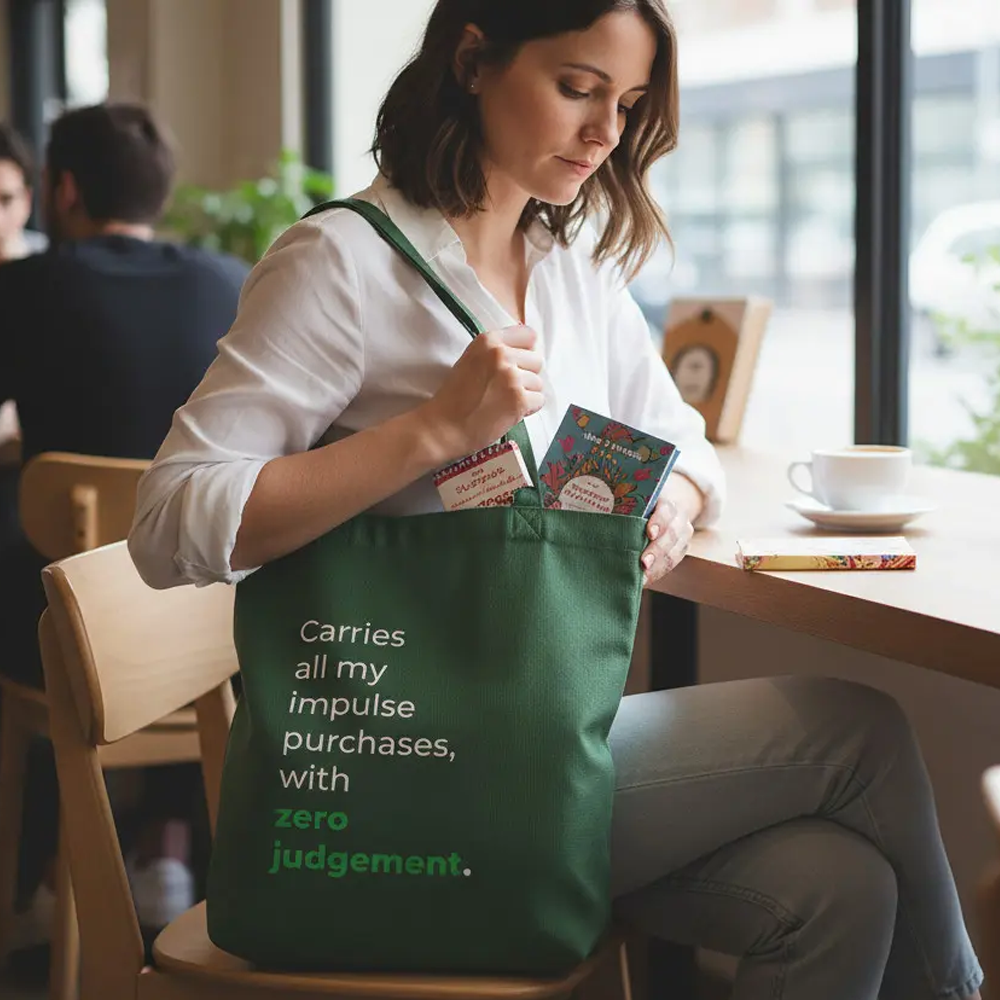
1. product longevity
Products that are used regularly and kept over time are generally more sustainable than items that are used once and set aside. Examples include reusable drinkware, tote bags, notebooks and apparel.
Design plays a key role here. As explored in our guide on how to design branded merchandise people actually keep, products that are well designed are more likely to be used.
2. material choice
The materials used in a product have a direct impact on its environmental footprint.
Common sustainable material options include:
- recycled plastics (rPET)
- organic cotton
- recycled fabrics, such as Repreve
- bamboo
- cork
- FSC-certified paper and wood
It is important to understand what these materials mean in practice, rather than relying solely on labels.

3. supply chain and ethical production
Sustainability is not only about the product itself, but also how it is produced.
This includes:
- fair wages and working conditions
- responsible sourcing
- supplier transparency
- third-party certifications and audits
Many companies now look for suppliers who can demonstrate clear standards in these areas.
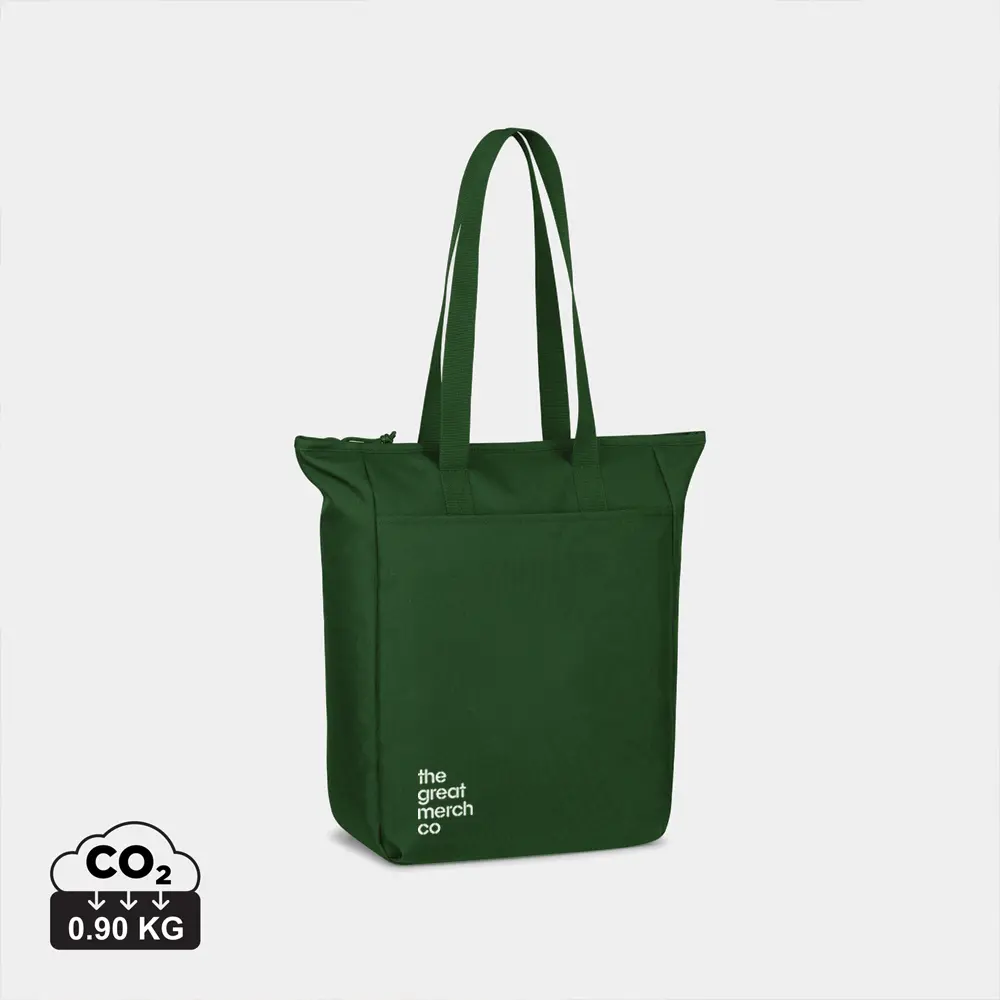
4. social and environmental impact
An increasingly important aspect of sustainability is the wider impact a product can have beyond its immediate use.
Some products and suppliers support:
- environmental initiatives such as tree planting or carbon offsetting
- charitable contributions linked to product purchases
- community projects such as building wells or supporting education
- circular economy initiatives that reduce waste and support local communities
These elements can add meaningful value to a product, particularly when they align with your organisation’s values.
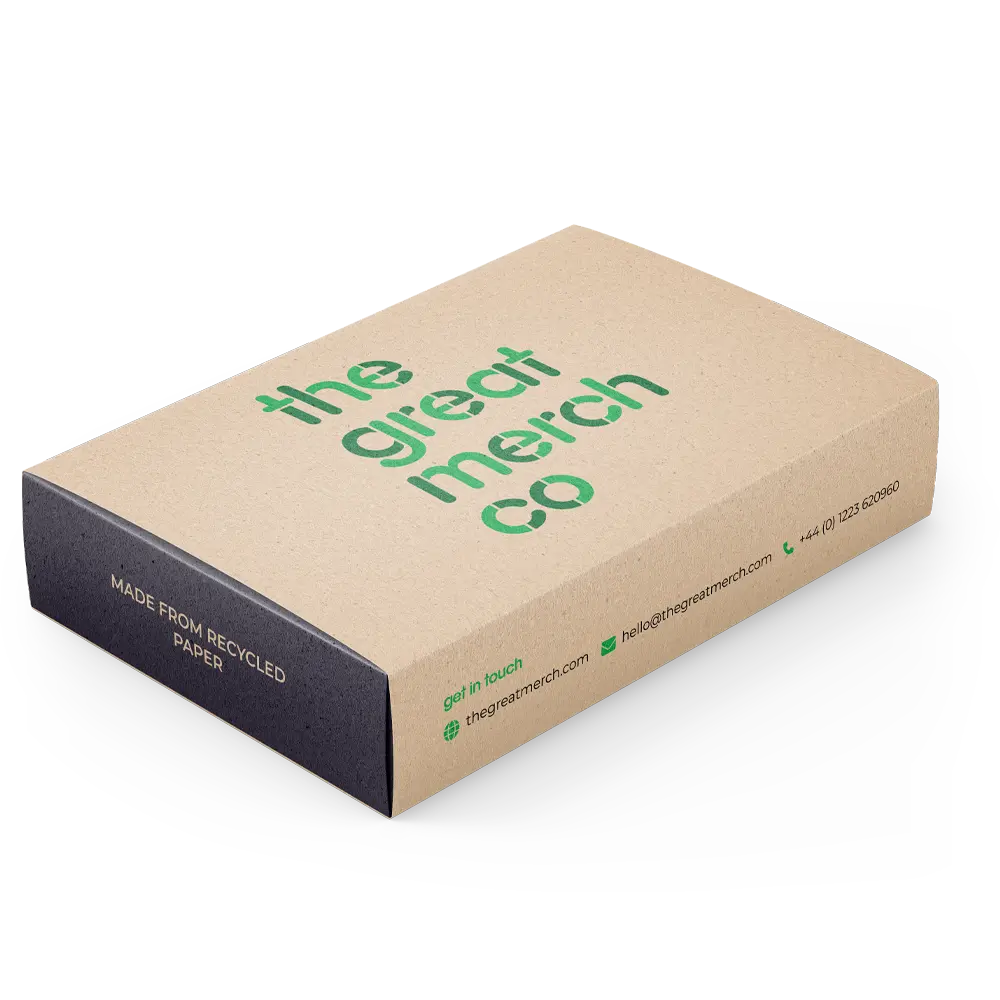
5. packaging
Packaging is often overlooked, but can be a significant part of the overall impact.
Reducing excess packaging or choosing recyclable materials can make a meaningful difference, particularly for larger campaigns.
sustainability and brand perception
The products you choose reflect your brand.
Increasingly, clients, employees and partners are aware of sustainability considerations. Choosing more responsible merchandise can reinforce a positive brand image and demonstrate alignment with broader values.
However, authenticity is important. Overstating sustainability claims can have the opposite effect. It is better to be clear and accurate about what a product offers.
balancing sustainability, cost and practicality
Sustainability does not need to come at the expense of practicality. The most effective approach is to balance:
- environmental considerations
- social impact
- product usefulness
- quality
- cost
In many cases, a slightly higher-quality product that is used regularly will deliver better outcomes than a lower-cost item that is set aside quickly.
where sustainability fits in the bigger picture
Sustainability should not be viewed in isolation. It sits alongside other key considerations such as:
- design
- audience relevance
- product quality
As we explored in our article on promotional merchandise for events and conferences, the most effective products are those that fit naturally into how they will be used.
Explore Promotional Merchandise Ideas
If you're planning a campaign or event and looking for ideas, explore our range of branded promotional merchandise or speak with our team about creating products that reflect your brand.
Frequently asked questions
It refers to branded products that are designed and sourced in a way that reduces environmental impact and supports responsible production and social initiatives.
They are important, but not the only factor. Product lifespan, usability and sourcing all play a role in overall sustainability.
Social impact refers to how products support communities or causes, such as fair wages, charitable donations, environmental initiatives or community development projects.
In some cases, yes. However, better-quality and more considered products often deliver greater long-term value through increased usage.
By considering how products are used, how they are sourced, and whether they align with both environmental and social goals.