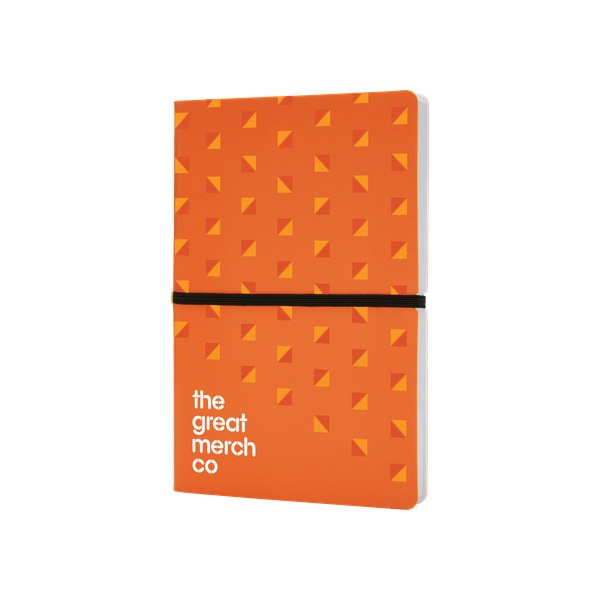
These products typically feature a company logo or messaging and are distributed to increase brand visibility and strengthen relationships with customers, employees, or event audiences. Promotional merchandise refers to branded physical products used by companies to promote their brand, campaigns, events, or services.
While digital advertising plays a major role in modern marketing strategies, physical branded products remain one of the most effective ways to keep a brand visible long after a campaign ends.
From branded notebooks used in meetings to promotional drinkware used every day, promotional merchandise places a company’s brand directly into the daily lives of its audience.
In this guide, we explore what promotional merchandise is, why companies use it, and how businesses can use it effectively as part of their marketing strategy.
What Is Promotional Merchandise?
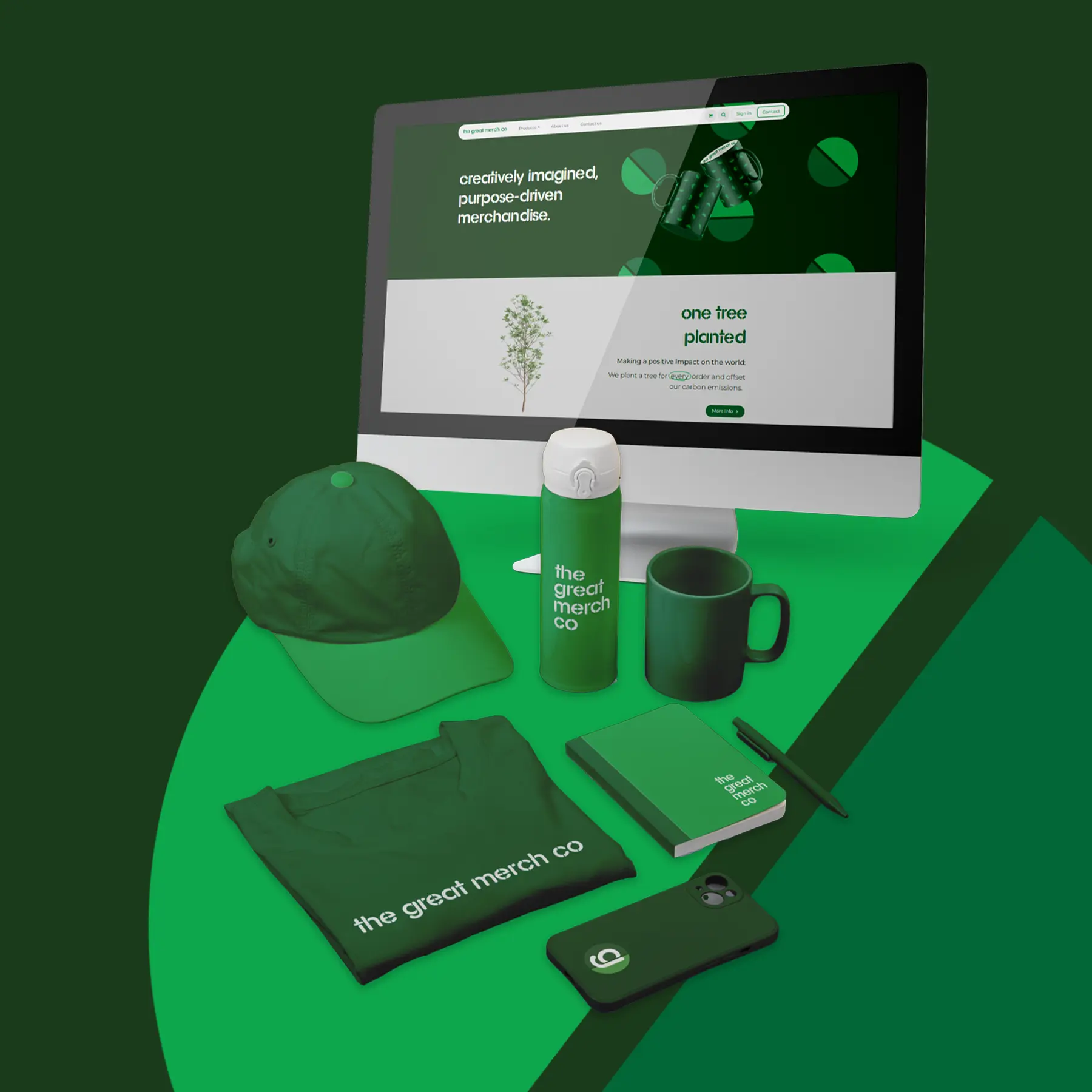
Promotional merchandise refers to physical products branded with a company’s identity that are distributed as part of marketing, promotional, or brand awareness campaigns.
These products are often given away at events, sent as gifts to clients, or included in marketing campaigns to increase brand visibility.
Common examples include:
The idea behind promotional merchandise is simple. When people use a useful product that carries your brand, they are reminded of your company repeatedly over time.
Why Do Companies Use Promotional Merchandise?
Promotional merchandise works because it combines marketing with usefulness. Unlike many forms of advertising that disappear once a campaign ends, branded products often remain in use for months or even years.
Companies use promotional merchandise for several reasons.
brand visibility
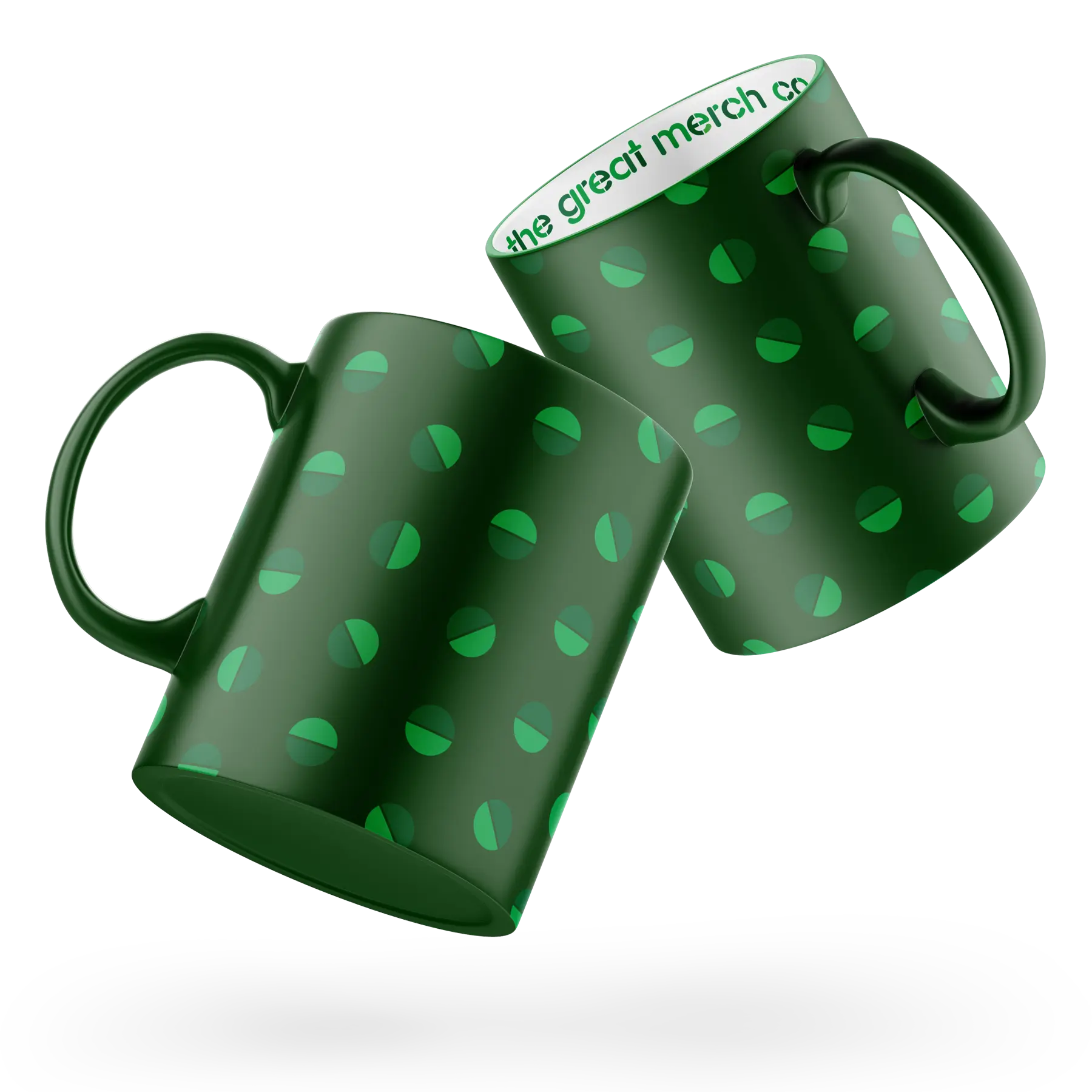
Branded merchandise creates repeated brand exposure. A branded notebook used in meetings or a ceramic mug used daily can generate hundreds of brand impressions over its lifetime.

Tangible Brand Connection
Physical products create a stronger emotional connection than digital advertising. Receiving a useful product often leaves a more positive impression than seeing an online advert.
Marketing Campaign Support
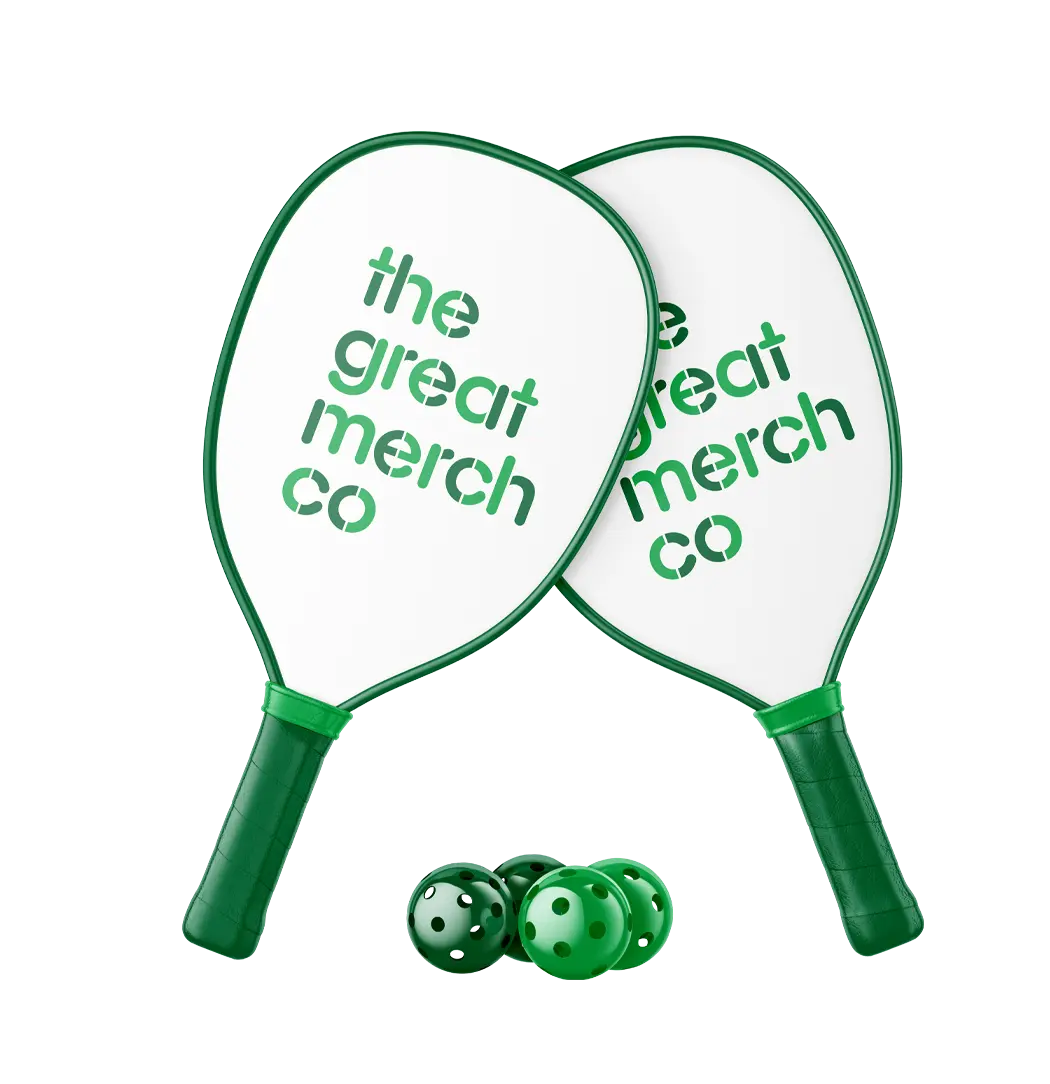
Promotional merchandise is commonly used to support product launches, events, and campaigns. Whether distributed at trade shows or included in marketing kits, branded products help brands stand out.
Relationship Building
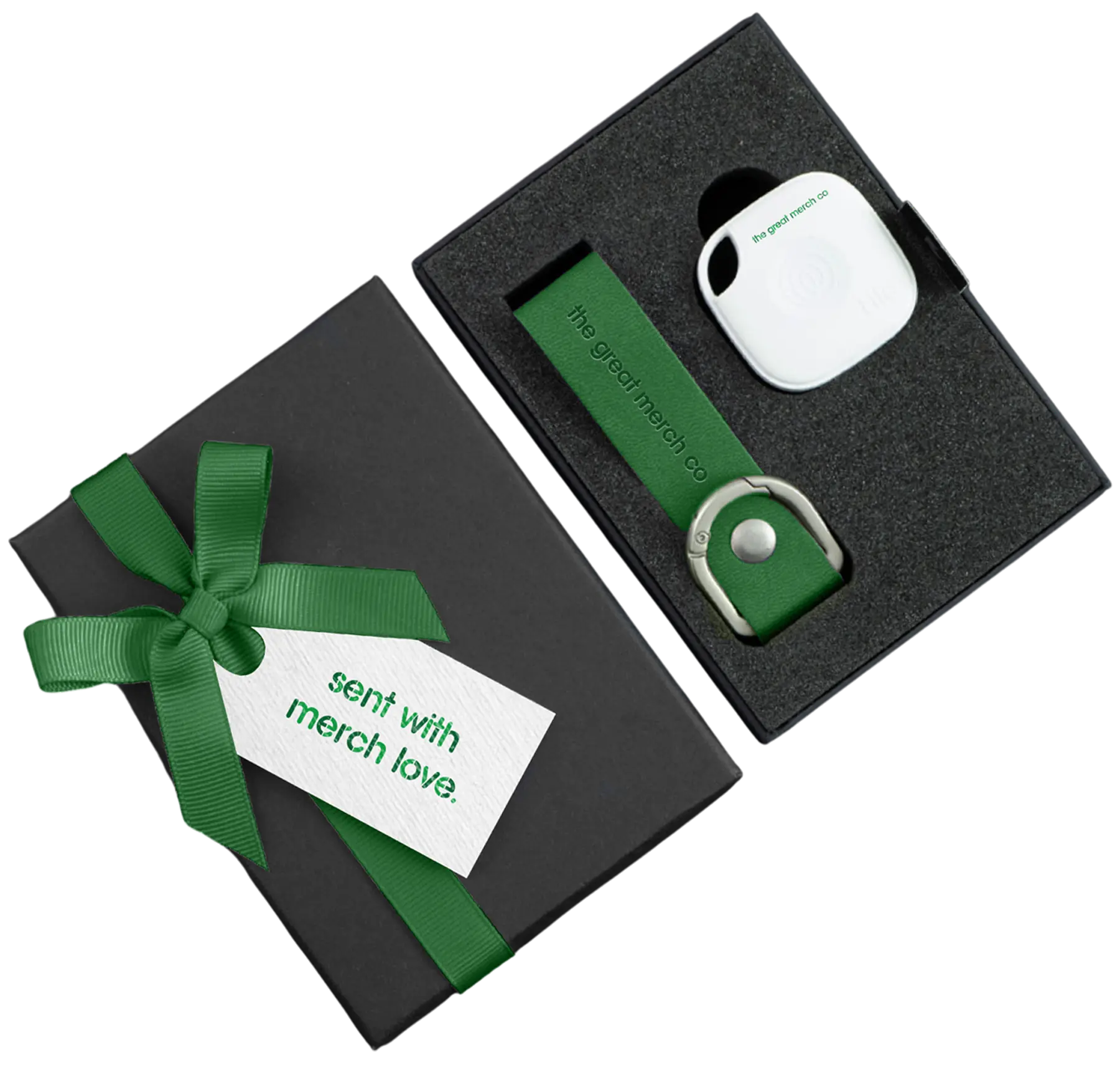
Many companies use corporate gift sets or premium merchandise to strengthen relationships with clients, partners, and employees.
Examples of Promotional Merchandise in Marketing
Promotional merchandise can appear in many different marketing contexts.
Event Merchandise
At conferences and exhibitions, companies often distribute branded items to attendees. These products help attendees remember the brand long after the event. Popular event merchandise includes promotional tote bags, branded confectionery, and promotional drinkware.
Corporate Gifts
Businesses frequently send premium branded items as gifts to clients or partners. These gifts help strengthen relationships and create a lasting impression. Examples include premium drinkware, branded desk accessories, or curated corporate gift sets.
Employee Merchandise
Many organisations create merchandise for employees. Branded clothing, welcome packs, and internal merchandise can reinforce company culture and identity. Research has shown that branded promotional merchandise is an effective way to influence employee retention. Studies show that employees who receive promotional products, typically stay with their employers 1.5 years longer than those who don’t.
Marketing Campaign Merchandise
Some brands incorporate merchandise directly into marketing campaigns. This might involve sending merchandise to influencers, including branded products in campaign kits, or offering promotional items as part of customer promotions.
What Makes Promotional Merchandise Effective?
Not all promotional products deliver the same results. The most effective merchandise tends to share several important characteristics.
Useful
Products that serve a genuine purpose are far more likely to be kept and used. Everyday items such as branded drinkware, hoodies, and reusable bags tend to perform well because they fit easily into daily routines.
Well Designed
Strong design plays a major role in whether a product is used or discarded. Subtle branding, high-quality materials, and thoughtful product choices make merchandise feel more premium.
Relevant to the Audience
The most effective promotional products are tailored to the audience receiving them. Merchandise for a technology conference may differ significantly from merchandise designed for hospitality brands.
High Quality
Cheap products are often discarded quickly. Higher quality merchandise may cost slightly more initially but can deliver significantly greater brand exposure over time.
Is Promotional Merchandise Still Effective Today?
Despite the rise of digital marketing, promotional merchandise remains one of the most enduring marketing tools.
Physical products offer something that digital marketing cannot replicate. They create a tangible experience with a brand.
Research consistently shows that promotional products generate strong brand recall and are often kept for extended periods. When brands choose useful, well-designed merchandise, those products can remain in circulation for months or even years.
Promotional merchandise also works well alongside digital campaigns. Many brands combine online marketing with physical merchandise to reinforce messaging and increase engagement.
87%
87% of people keep promotional products for more than one year, with 4 out of 10 people keeping them for more than 10 years. That delivers brand impression beyond the lifespan of digital media.
How Companies Should Approach Promotional Merchandise
To achieve the best results, companies should approach merchandise strategically rather than treating it as an afterthought.
Businesses should consider:
- who the audience is
- what products they will genuinely use
- how the merchandise reflects the brand
- the context in which it will be distributed
The goal is not simply to place a logo on an item. The goal is to create a product that people are happy to keep and use.
Final Thoughts
Promotional merchandise remains one of the most powerful ways for brands to stay visible in a crowded marketplace. When thoughtfully designed and carefully selected, branded products can continue generating brand impressions long after a campaign has finished.
For marketing teams looking to create lasting impact, promotional merchandise offers something uniquely valuable: a practical product that keeps a brand present in everyday life.
Frequently asked questions
here are some common questions about branded promotional merchandise.
Promotional merchandise refers to branded physical products that companies distribute to promote their brand, campaigns, events, or services. These products typically feature a logo or messaging and are designed to increase brand visibility.
Companies use promotional merchandise because it creates long-lasting brand exposure. Branded items such as notebooks, drinkware, and bags can remain in use for months or even years, generating repeated brand impressions.
Examples include branded notebooks, reusable water bottles, custom mugs, promotional tote bags, and corporate gift sets.
Yes. Promotional merchandise remains highly effective because it provides a tangible connection between a brand and its audience. Useful products can remain in circulation for long periods, delivering ongoing brand visibility.
The most successful promotional merchandise is useful, well designed, high quality, and relevant to the audience receiving it. Products people genuinely want to use are far more likely to be kept.