Marketing teams today have more channels available than ever before. Digital advertising, social media campaigns and email marketing often dominate marketing budgets.
But one channel continues to deliver long-term brand exposure that many companies underestimate: promotional merchandise.
If you’re unfamiliar with the concept, we’ve explained it in more detail in our guide to What Is Promotional Merchandise?
Unlike digital ads, which disappear as soon as a prospective customer navigates away from a webpage or a campaign ends, a well-chosen branded product can remain in use for months or even years. That difference can significantly impact the cost per impression of a marketing campaign.
In this guide, we compare promotional merchandise with digital advertising to understand how the real cost of each channel compares.

What Is Cost Per Impression?
Cost per impression (CPI) refers to the amount a company spends for their brand to be seen once.
In digital advertising, impressions happen when someone views an advert online.
For promotional merchandise, impressions occur every time someone uses or sees the branded product. For example:
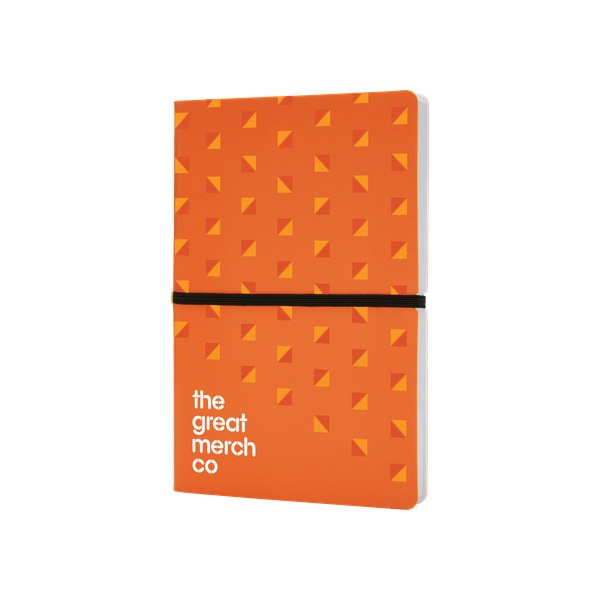
- A branded notebook used in meetings
- A reusable water bottle taken to the gym
- A tote bag carried while shopping
- A mug used daily on an office desk
Each time the item is used, it creates another brand impression.
Because these items are often used repeatedly over long periods of time, the cost per impression can become extremely low.
Digital Advertising: Short-Term Visibility
Digital advertising is an effective way to generate immediate visibility and traffic.
Common digital advertising channels include:
- Google Ads
- LinkedIn advertising
- Instagram and Facebook ads
- Display advertising networks
However, digital ads have one important limitation: their visibility is temporary.
Once a campaign ends or a budget runs out, the brand exposure stops immediately.
Typical digital advertising costs can include:
- Cost per click (CPC) of £1–£10 depending on industry
- Cost per thousand impressions (CPM) between £5–£20
- Ongoing campaign management costs
Digital advertising can be powerful for short-term campaigns, but the cost accumulates every time you want to generate new impressions.

Promotional Merchandise: Long-Term Brand Exposure
In contrast, branded merchandise creates impressions over a much longer period of time.
When someone receives a useful promotional product, they may use it regularly. Each use creates additional brand exposure for both the user and the people around them.
Examples of commonly used promotional products include:
A well-designed product can remain in circulation for months or even years, creating hundreds or thousands of impressions.
For example: A £10 branded water bottle used three times per week for a year could generate over 150 brand impressions which would be a cost per impression of just £0.06.
Comparing Cost Per Impression
When looking purely at upfront cost, digital advertising may appear cheaper. However, the long-term exposure of promotional merchandise changes the calculation.
Because promotional merchandise continues to generate impressions long after it is distributed, the effective cost per impression can become extremely low.
This makes promotional products particularly effective for:
- brand awareness campaigns
- corporate events and conferences
- employee on-boarding welcome packs
- client gifts
The figures below show estimated cost per impression across common digital marketing channels, based on average campaign benchmarks and typical promotional product lifespans (source: Advertising Specialty Institute). Interestingly, once lifetime impressions are taken into consideration, branded promotional merchandise is the most cost effective channel.
T-Shirts
Typical Price £10
Lifetime Impressions: 5,053
Bags
Typical Price £50
Lifetime Impressions: 1,940
Metal Pens
Typical Price £2.50
Lifetime Impressions: 2,436
Drinkware
Typical Price £20
Lifetime Impressions: 3,162
Paid Search
Display Advertising
Paid Social Media
Sponsored Influencer Post
Why Useful Products Deliver Better Results
The effectiveness of promotional merchandise often depends on one key factor: usefulness.
Products that become part of someone’s daily routine generate the most brand exposure.
Items that tend to perform well include:
- reusable drinkware
- notebooks and stationery
- tote bags
- quality apparel
- power banks and charging cables
- desk accessories
When promotional merchandise is genuinely useful, people keep it - and the brand stays visible
When Promotional Merchandise Works Best
Promotional merchandise works particularly well in situations where brands want to create a lasting physical connection with their audience.
Common use cases include:
- conferences and trade shows
- corporate gifts for clients
- marketing campaigns
- employee welcome packs
- product launches
Unlike digital advertising, these products continue promoting the brand long after the initial interaction.
Key Takeaways
- Digital advertising provides immediate but short-term visibility.
- Promotional merchandise provides long-term brand exposure.
- Useful products generate repeated brand impressions over time.
- When measured over the lifespan of a product, promotional merchandise can deliver a very low cost per impression.
Explore Promotional Merchandise Ideas
If you're planning a campaign or event and looking for ideas, explore our range of branded promotional merchandise or speak with our team about creating products that reflect your brand.
Frequently asked questions
Yes. Promotional merchandise remains effective because useful branded products create repeated brand exposure and strengthen brand recall.
Common examples include tote bags, drinkware, notebooks, apparel, technology accessories and corporate gifts.
It depends on the product, but research has shown that 87% of people keep promotional products for more than one year, with 4 out of 10 people keeping them for more than 10 years. That delivers brand impression beyond the lifespan of digital media.